
Reincarnating Antero
Antero is getting drained. How long until it bounces back?

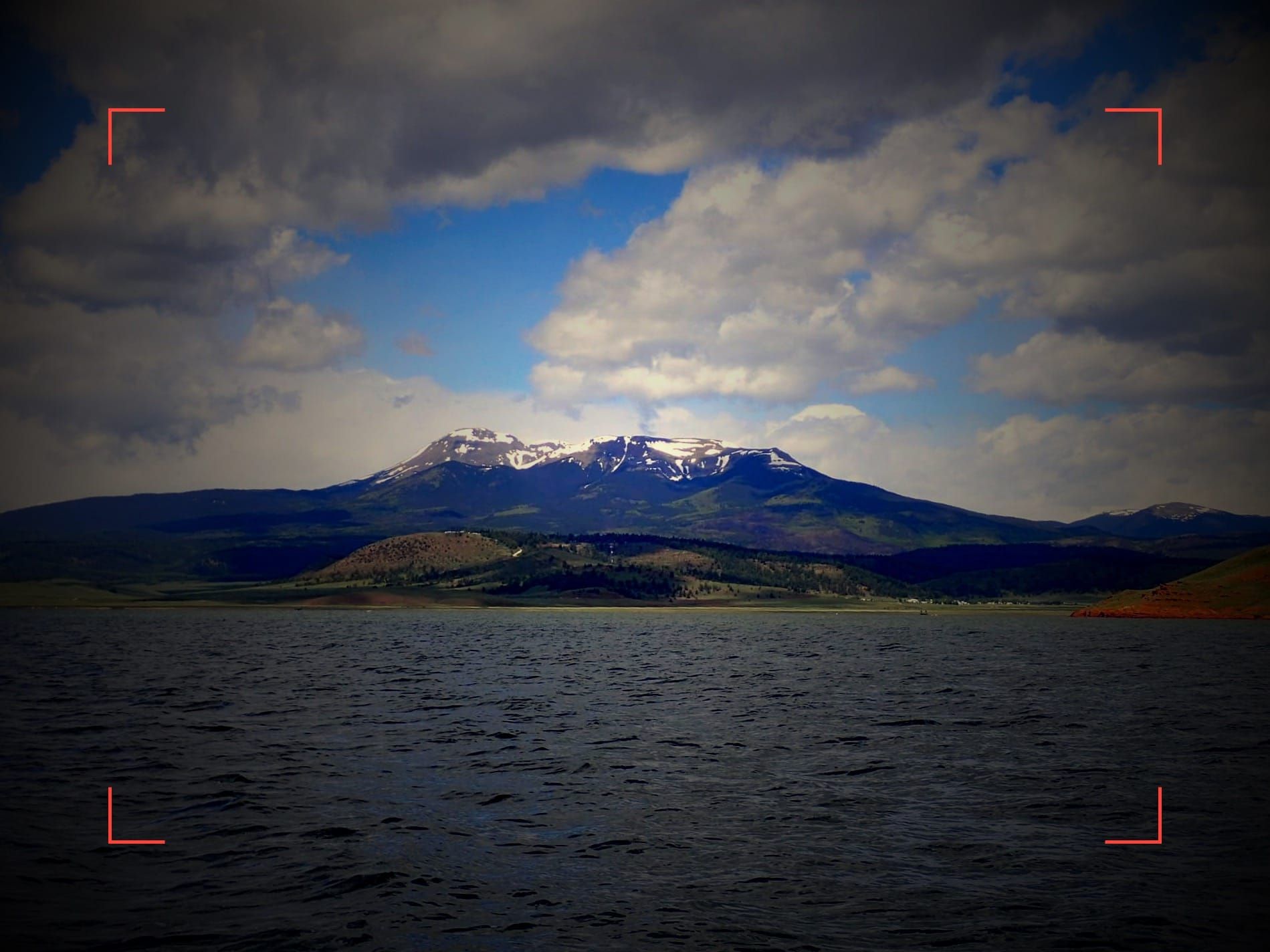
May 2026
Sadly, a favorite is going dry, again. For the third time in the past 20-some years, Antero Reservoir in South Park, Colorado is being sacrificed by the water gods - I mean Denver Water. Due to high evaporative loss in this shallow lake, Denver Water decided Antero's water is better stored further downstream in another reservoir to fend off a dry 2026. We all know what this means for the fishing, which sucks as Antero was finally coming back into its own, finally rebounding from a dam repair in 2015.
Antero will return, but there's more needed than just refilling the bucket. Historically, the lake needs 5+ years to reestablish. An entire ecosystem will need a jumpstart before slab trout will start making themselves known.
In light of the news, let's take a look at how Antero will rebound from the 2026 drain.
First, The Refill
Unfortunately, the most difficult part of this recovery is to predict when the lake can be refilled. Could the lake refill in one year? We'd need a lot of winter snow or monsoon rain, but moving into a super El Nino in later 2026-2027, I guess that could happen... But since Antero is already a victim, it likely won't be refilled until everything downstream is maxed. That means Strontia Springs, Cheesman, and Elevenmile get their fill first.
Next, The Recolonization
The good news is that Antero has been in this position before, and once water returns, the available stock of essential nutrients will flush back up the food web, unlocking new opportunities for tons of growth throughout the lake. This phase is known as "trophic upsurge" where species explode in a pre-equilibrium boom for new reservoirs. Soon algae blooms, zooplankton follow, and invertebrates recolonize. Every phase of growth feels an unlimited jump during the upsurge phase, supercharging the food base for fish.
Usually, tolerant invertebrates, like chironomids, are resistant to drought or flooding. Chironomid larvae can sometimes survive desiccation up to 10 times during their development. Some caddis and mayflies have also been observed to recover rapidly following disaster, as quickly as weeks or months.
Larger invertebrates with longer life cycles inherently take longer to repopulate. Time is needed to reach a flying life stage to recolonize new waters, and additional time to reignite development in new water. Damsels and dragonflies may require at least a year to establish due to slower reproduction and stable habitat needs dependent on colonizing vegetation, like weedbeds. Fortunately, spores, seeds, and hardy root systems are enough to kick off aquatic vegetation once the water returns. Thanks to the spike in nutrients, scuds will also take off supported from the weed beds. Fringe habitat near the inlet (or remaining channel) may also offer refuge for species waiting for lake habitat to return.
Finally, Stocking Supplements
Obviously, fish populations will need to be reintroduced. Colorado Parks and Wildlife will need to restart their stocking procedures for the lake. Since we need to start from the ground up, trout will take some time to grow and mature before they reach sexual maturity and attempt to reproduce naturally. Thanks to the trophic upsurge, these trout will have a massive abundance of prey to choose from and grow rapidly. Similarly, due to past drains, non-gamefish population will be limited as the reservoir fills, meaning juvenile trout will face less competition with species like white suckers. Eventually white suckers may repopulate Antero, immigrating from the feeder stream, but won't establish as quickly as the stocking supported trout populations.
Energy Flow Up the Food Chain
With enough time, Antero will pump out hogs again. Eventually… but it takes time and it takes consistent snow. Yet, even once water stays in Antero, energy needs time to percolate up the food web. Sun needs to be converted by primary producers, then consumed by zooplankton, both propagating invertebrates, small fish and amphibians, and finally that energy is consumed by top predators like trout. The ecological rule of energy transfer, AKA the 10% rule, clarifies that energy passed up to the next trophic level nets only ~10% of the total energy consumed, losing 90% in metabolic heat loss, or waste. You'd need 100 pounds of phytoplankton or algae to produce 10 pounds of zooplankton, to produce 1 pound of invertebrates, to produce 0.1 pound of trout. Sure you could just fill the lake and plop in some huge stocked trout, but they have a large energy requirements, indirectly requiring 10 fold support from all of the lower trophic levels. Unless that stock of food is available all the way down, the big trout won't thrive. Long story short, it takes time, and we can't rush the process. Nevertheless, the deck is stacked to pump out bugs.
Chasing Equilibrium
Eventually, competition, predation, and space will settle the lake into an equilibrium where all things find balance. Hopefully the final stage supports growing large fish like in past iterations... assuming the lake isn't drained again before things reignite. Then again, maybe the new reservoir syndrome caused by trophic upsurge is the very thing that makes Antero great. Maybe draining the lake is the key to the great fishing, and we just live in a boom and bust cycle.
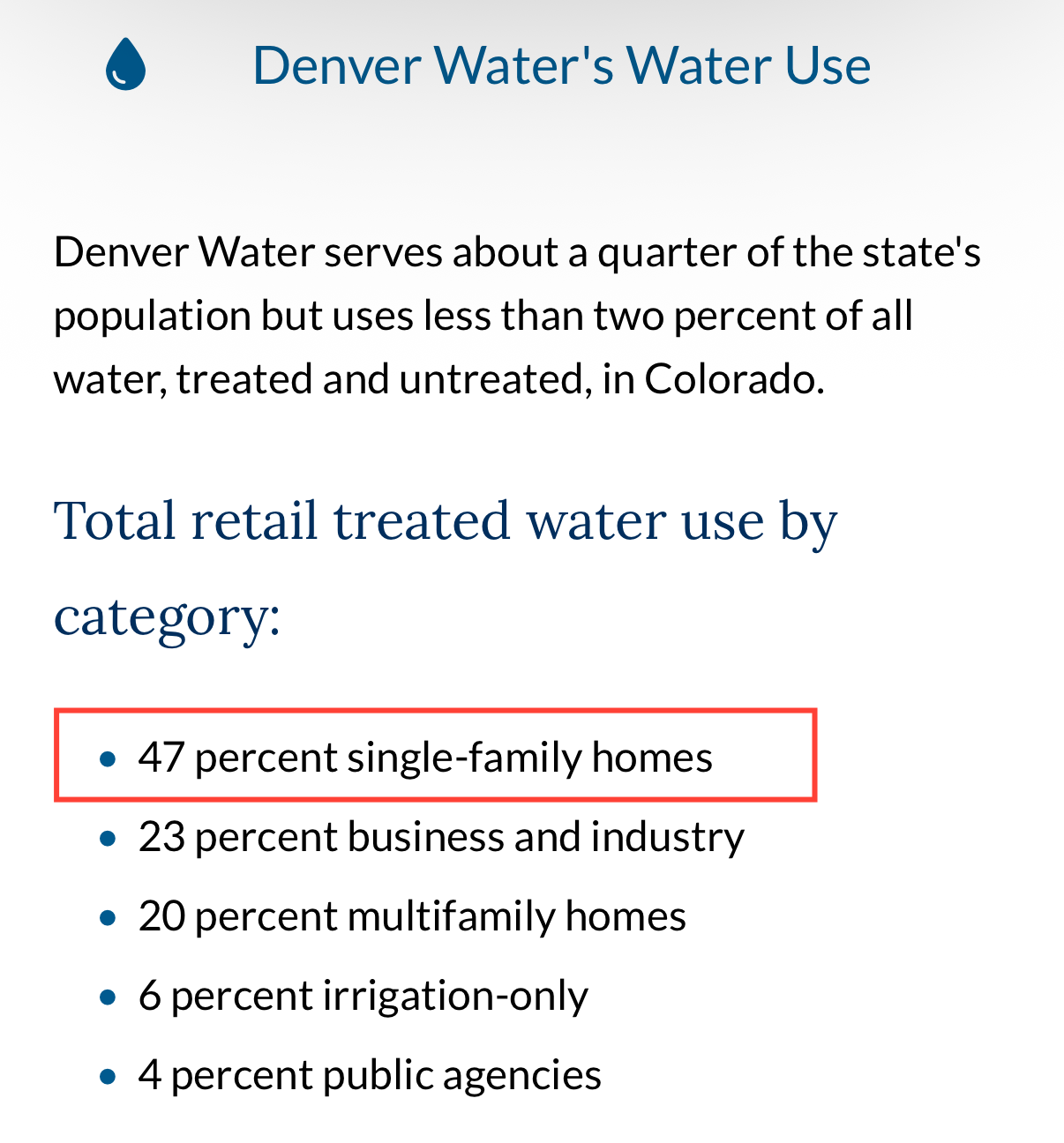
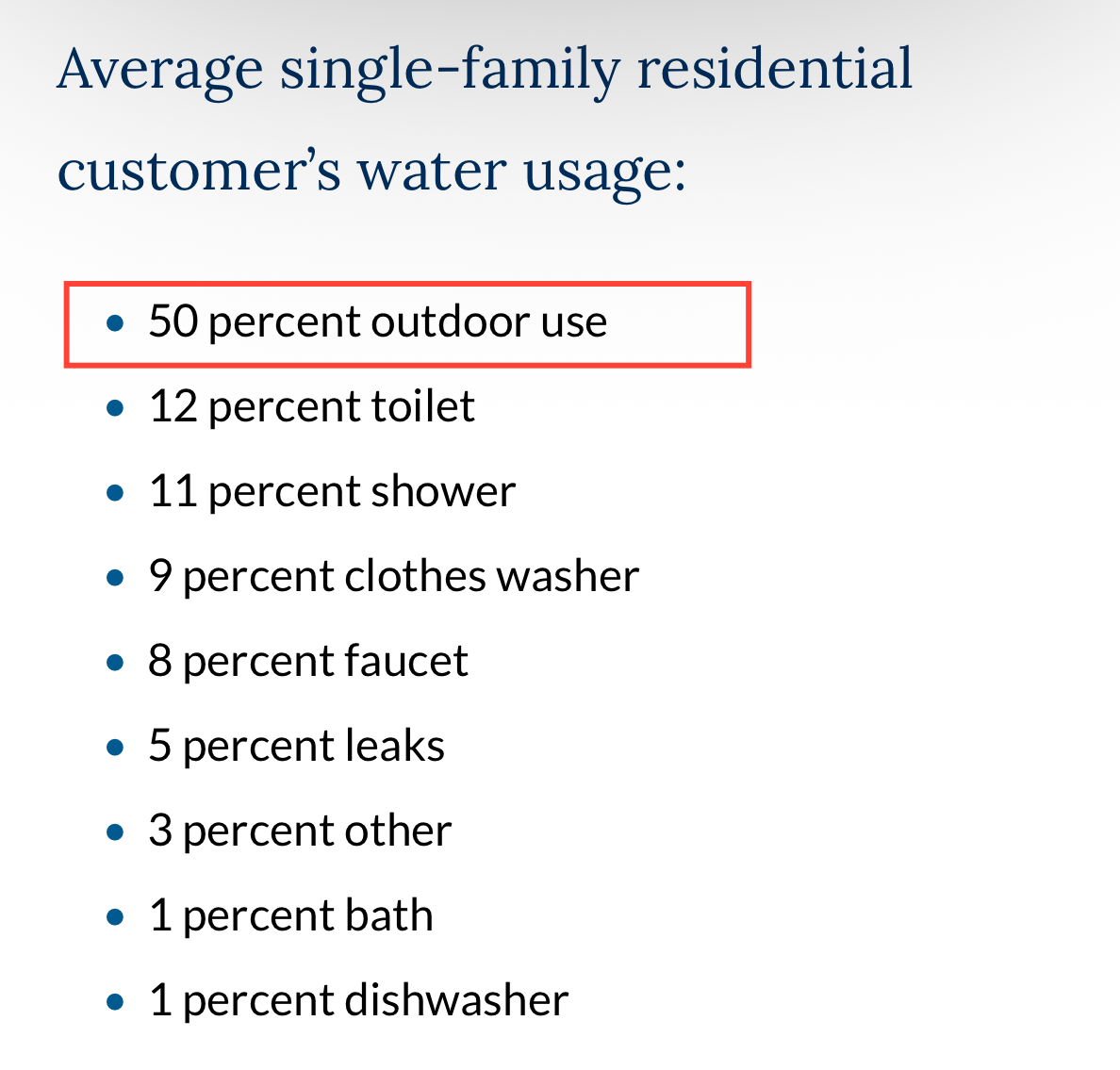
Personally though, I’d rather keep Antero filled and sacrifice greener golf courses, and overwatered lawns for Denver Water’s downstream customers. Though I do understand that the issue here is available water upstream from Antero, not demand from downstream. Nonetheless, I think we should look at the Denver Water usage breakdown.
Looking Forward
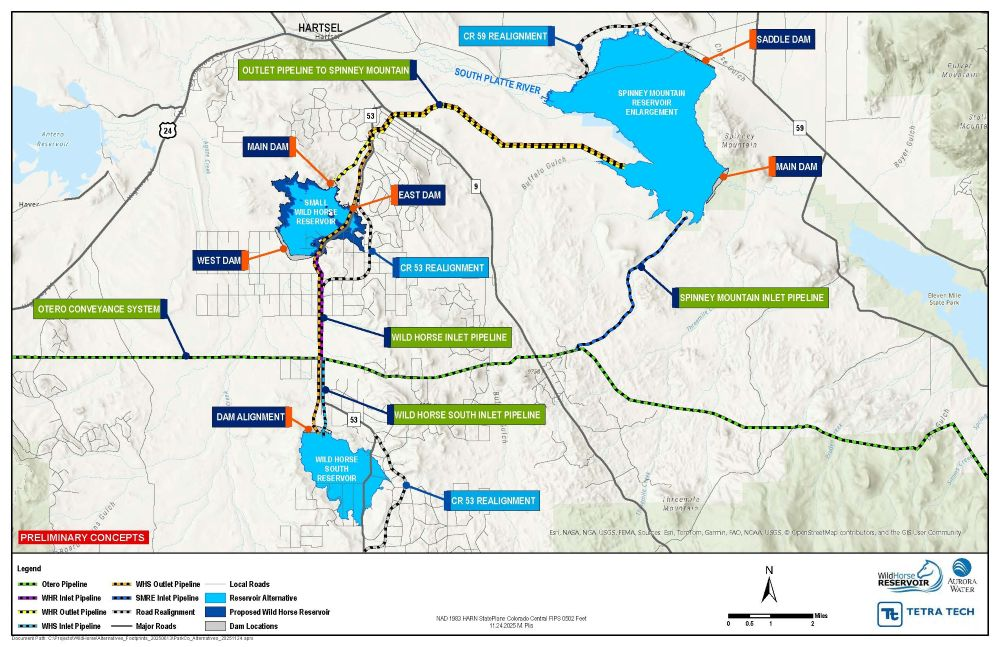
Antero suffers from being the last in, and first out. Being the shallowest and furthest upstream reservoir in the South Platte reservoir reserves, it's always going to be first on the chopping block. But Aurora Water is currently working out how to add a new South Park reservoir into their chain: Wild Horse Reservoir, which would be situated between Antero and Spinney Mountain Reservoir. It's nowhere close to being approved or filled, but maybe it relieves some angler angst offering another Antero style reservoir.
Antero was dry from 2002-2007, bouncing back just in time to be drained in 2015. By 2025 things were back into full swing, just in time to pull the drain again. Antero anglers, get comfortable it'll take some time before we can get back out there.
Further Reading
Biology: A primer on the big bugs of stillwaters.
Tactics: Why chartreuse stillwater flies are a smart choice.
Rivers: Tricks for tracking the end of runoff.
Sources:
- Denver Water TAP Staff. 2026. Antero Reservoir will close to recreation in 2026 for drought response. https://www.denverwater.org/tap/antero-reservoir-will-close-recreation-2026-drought-response
- Mullholem, J. 2023. Aquatic organisms respond to flooding and drought disturbance in different ways. Penn State. https://www.psu.edu/news/research/story/aquatic-organisms-respond-flooding-and-drought-disturbance-different-ways
- Collier, K., Parkyn, S., Quinn, J. Scarsbrook, M. 2002. Bouncing back: how fast can stream invertebrates recolonise? NIWA. https://niwa.co.nz/water-atmosphere/vol10-no2-june-2002/bouncing-back-how-fast-can-stream-invertebrates-recolonise
- Frouz, J. Matena, J. Ali, A. 2003. Survival strategies of chironomids (Diptera: Chironomidae) living in temporary habitats: a review.. European Journal of Entomology. https://www.eje.cz/pdfs/eje/2003/04/01.pdf
- CPW. 2026. Antero Fishery Survey. https://cpw.widencollective.com/portals/2xfhhjnf/FisherySurveySummaries#08424074-93ab-4416-a5fc-335424bbc665
- Mullane, S. 2026. A super El Niño is in the forecast. Here’s what that means for Colorado. The Colorado Sun. https://coloradosun.com/2026/04/14/colorado-super-el-nino-monsoon-summer-forecast/
- Smith, J. 2026. Aurora selects final site for its largest reservoir yet in Park County. Will it fill up? Water Education Colorado. https://watereducationcolorado.org/fresh-water-news/aurora-selects-final-site-for-its-largest-reservoir-yet-in-park-county-will-it-fill-up/
- Wild Horse Reservoir Project. Accessed 2026. https://wildhorsereservoir.org/about/